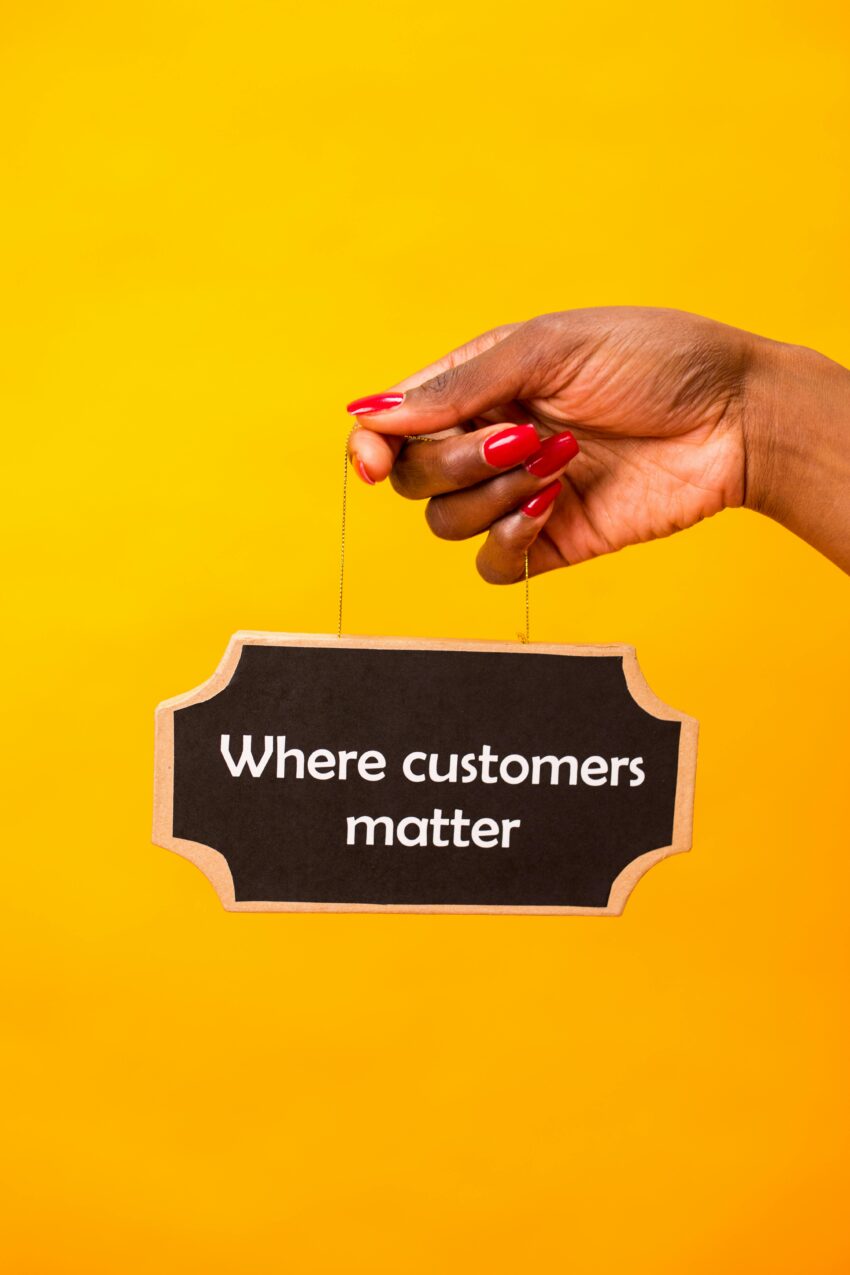
How Emotional Insight Drives Innovation, Loyalty, and Growth?
In an increasingly competitive marketplace where products and services are often indistinguishable by features alone, businesses are discovering a powerful differentiator: empathy. Understanding and addressing the emotional and practical needs of customers isn’t just a nice-to-have — it’s a strategic imperative. This approach, often called human-centered design or empathy-driven innovation, puts the customer at the heart of business strategy and product development.
Empathy in business means more than offering good service or responding to complaints. It means deeply understanding your customers’ experiences, frustrations, motivations, and desires — even when they can’t articulate them themselves. When companies design with empathy, they create solutions that feel intuitive, seamless, and even delightful. The result? Greater loyalty, stronger brand trust, and sustainable growth.
What Is Empathy in Business and Design?
Empathy is the ability to understand and share the feelings of another. In a business context, it’s the practice of seeing the world through the eyes of your customer — not just understanding what they do, but why they do it and how they feel while doing it.
In design thinking and innovation, empathy is the foundation. It involves observing real users, listening without judgment, and uncovering insights that data alone can’t reveal. This emotional intelligence can lead to transformative ideas that set a brand apart.
Why Empathy Matters More Than Ever
1. Rising Customer Expectations
Today’s consumers demand more than just functionality. They expect personalized, intuitive experiences that reflect an understanding of their individual needs and lifestyles. Empathetic design helps companies anticipate these expectations.
2. Fierce Market Competition
When features and pricing are easily copied, emotional connection becomes a critical differentiator. A brand that makes a customer feel seen and valued gains a significant edge.
3. Loyalty Is Emotion-Driven
Research consistently shows that customer loyalty is driven more by emotional connection than by rational factors. When customers feel that a brand genuinely cares, they are more likely to remain loyal and become advocates.
The Empathy-Driven Design Process
1. Observe Without Interference
Begin with observation. Watch customers interact with your product, website, or service in their natural environment. Don’t just focus on what works — look for frustrations, workarounds, and moments of confusion.
Example: A banking app notices that users repeatedly abandon the transfer process midway. By observing users, they find that unclear labeling and too many confirmation steps were the cause. Redesigning for clarity improves the experience significantly.
2. Listen to Understand, Not to Respond
Conduct interviews or customer feedback sessions where the goal isn’t to pitch, defend, or explain — it’s simply to listen. Use open-ended questions like:
- “Tell me about the last time you used our product.”
- “What did you enjoy most? What was frustrating?”
The goal is to uncover pain points, desires, and expectations customers may not express in surveys.
3. Create Empathy Maps
Empathy maps are a visual tool used to capture insights about what users say, think, feel, and do. This helps teams align on the emotional landscape of the customer experience.
For instance, a food delivery company might discover:
- Say: “I want my food hot and on time.”
- Think: “Will the driver get lost again?”
- Feel: Anxious during wait time.
- Do: Refresh the tracking page every 30 seconds.
Such insights lead to innovations like real-time delivery updates or GPS tracking improvements.
4. Define the Real Problem
Using your observations and empathy maps, clearly articulate the customer’s problem — not from your business’s perspective, but from theirs.
For example, instead of saying, “Our users don’t complete checkout,” reframe it as, “Customers feel overwhelmed and uncertain during checkout, leading to hesitation and drop-off.”
This shift in perspective opens the door to more thoughtful, customer-focused solutions.
5. Ideate and Prototype with the User in Mind
Brainstorm possible solutions with empathy at the center. Invite cross-functional teams — including customer service, product design, and marketing — to contribute diverse insights.
Then, quickly prototype and test ideas with real users. Get feedback, iterate, and refine. The goal isn’t perfection, but progress toward a more human experience.
Real-World Examples of Empathy in Action
Airbnb: Designing for Trust
Airbnb didn’t just disrupt the hotel industry — it redefined how people think about travel. One of its key innovations was designing for trust. Early on, the company realized people were hesitant to stay in strangers’ homes. By introducing user reviews, detailed profiles, secure messaging, and transparent policies, Airbnb built a system rooted in empathy for both hosts and guests.
Slack: Designing for Inclusion
Slack’s onboarding process is a masterclass in empathetic design. The app guides users step by step, using friendly, inclusive language and helpful hints. Rather than assuming tech literacy, Slack designed with the least experienced user in mind — making the product accessible to a broad audience.
Toyota: Listening Before Building
Toyota has a long-standing practice of going to the “gemba” — the real place where customers use their vehicles. Engineers and designers observe how people drive, load cargo, or interact with the dashboard. This approach led to innovations like adjustable trunk height and intuitive infotainment systems based on how real drivers behave.
The Empathy Advantage in Business Outcomes
Empathy not only enhances the customer experience but also delivers measurable business results:
- Higher Customer Retention: Empathetic companies understand why customers leave and address issues before they escalate.
- Increased Revenue: Businesses that prioritize emotional connection outperform competitors in revenue growth.
- Faster Innovation Cycles: Empathy-driven design cuts down on guesswork, reducing time spent developing products that don’t meet real needs.
- Employee Alignment: When teams are united around customer insights, decision-making becomes more aligned and focused.
Building a Culture of Empathy
Empathy must be more than a design principle — it should be a cultural value. Here’s how businesses can embed empathy into their DNA:
- Start from the Top: Leaders should model empathetic behavior with both employees and customers.
- Reward Empathetic Thinking: Recognize team members who go the extra mile to understand and serve customers.
- Make Empathy a KPI: Track customer satisfaction, emotional engagement, and feedback response time as part of your performance metrics.
- Train Teams in Empathy Skills: Offer workshops or role-playing exercises to help employees better understand customer perspectives.
In a world of constant change and rising expectations, empathy is not a soft skill — it’s a business superpower. Designing with the customer in mind isn’t just about usability or aesthetics; it’s about creating genuine human connection through your products, services, and brand experiences.
By developing a deep understanding of your customers’ lives, businesses can innovate with confidence, build lasting loyalty, and stay ahead of the competition. That’s the empathy advantage — and it’s redefining what it means to win in today’s marketplace.
Generated by ChatGPT